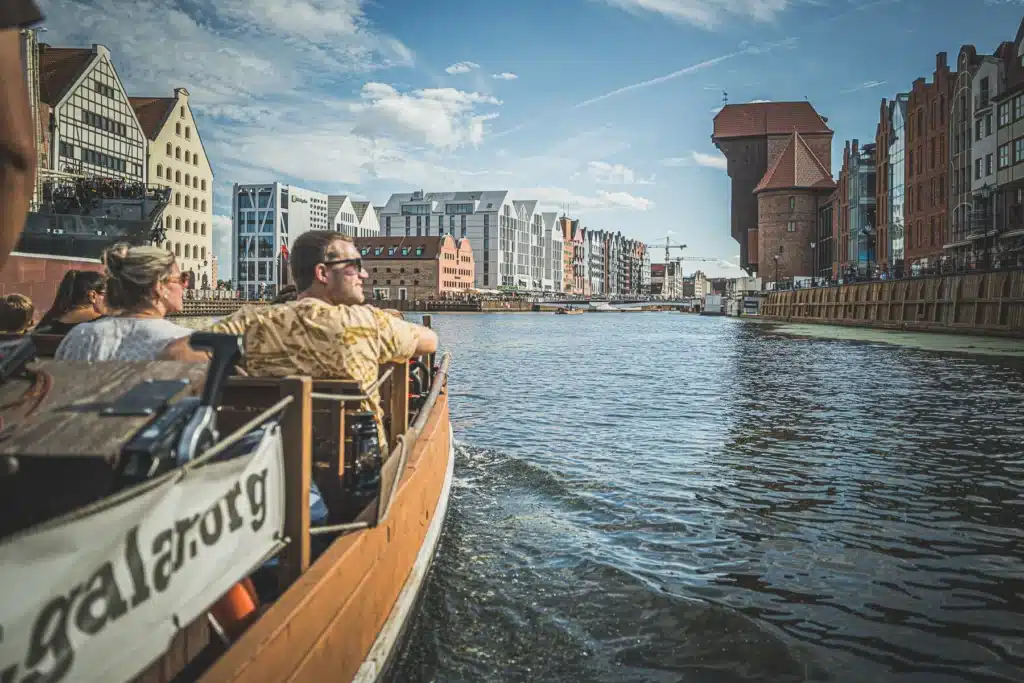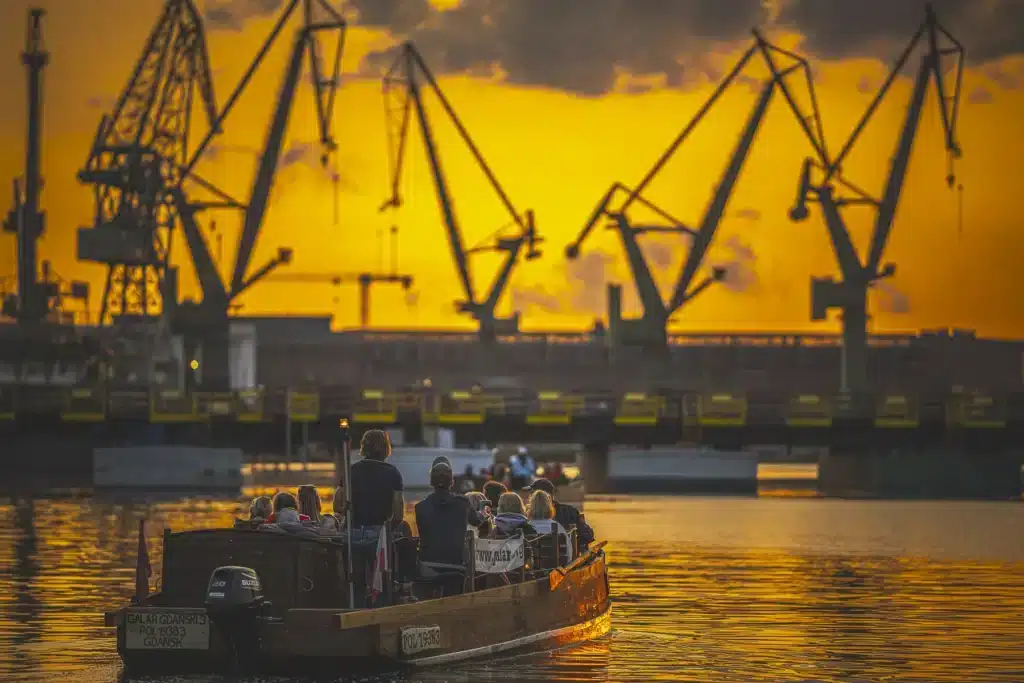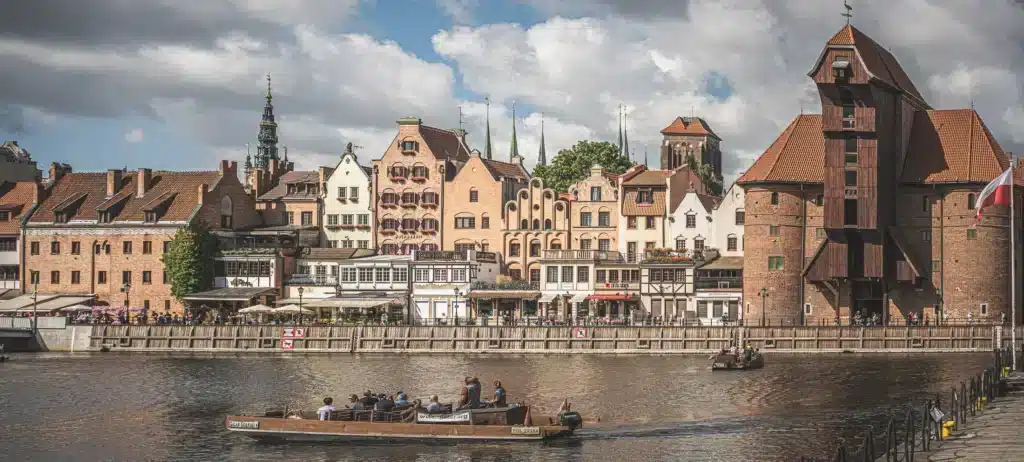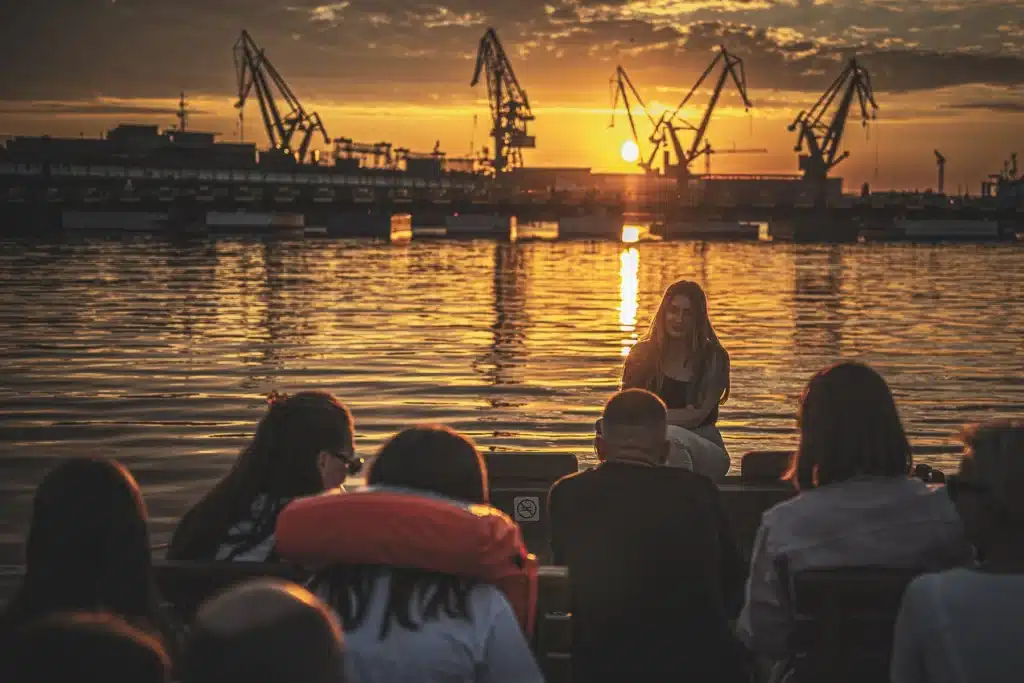


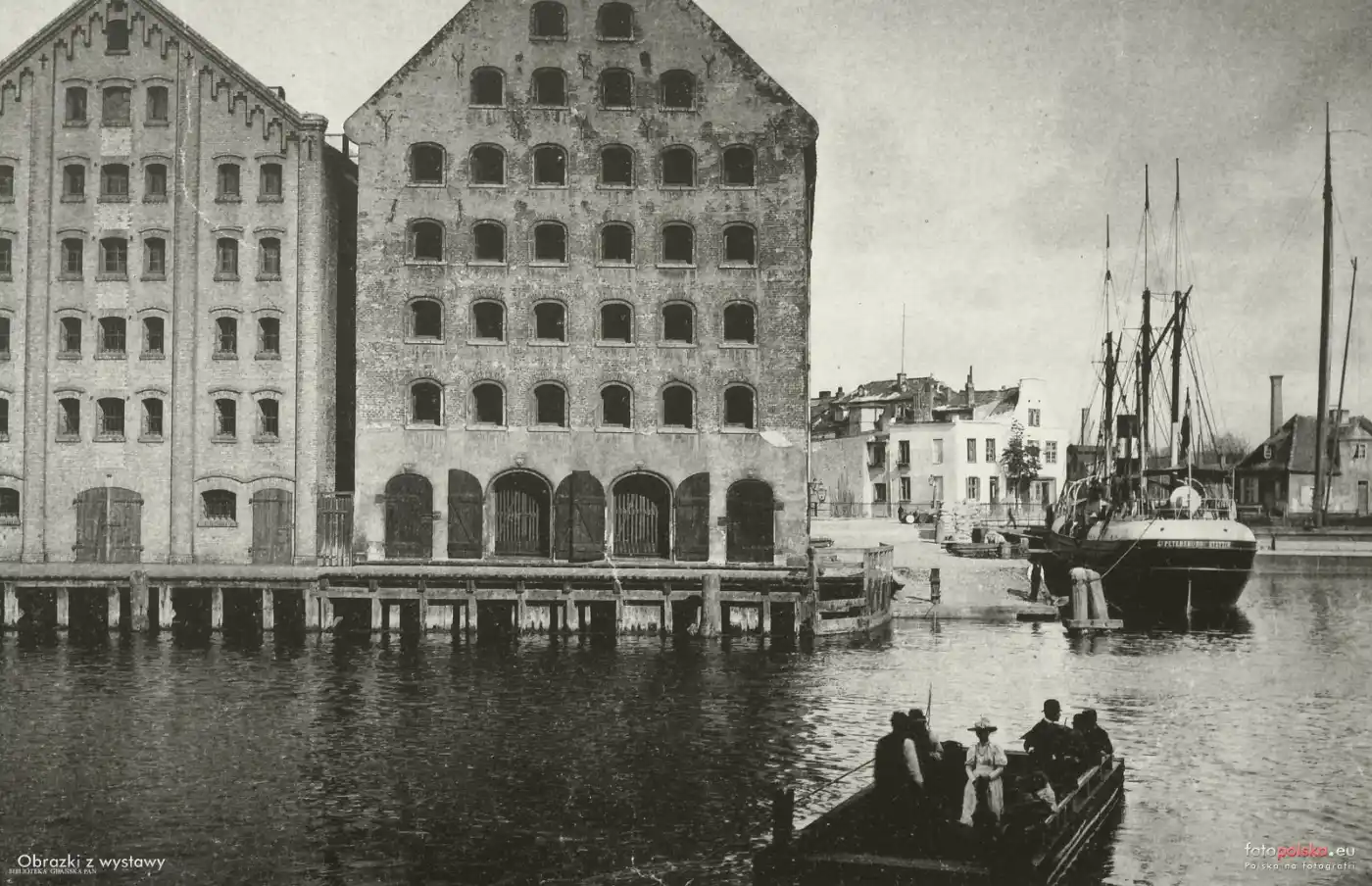

On the banks of the Motława, the history of seafaring cannot be contained within a single building. It can be traced through the old warehouses, cargo-handling equipment and ships. The National Maritime Museum has brought these sites together into an institution whose very surroundings tell the story of the port’s past.
From the Maritime Department to a national museum
The institution’s origins date back to 1960, when the Maritime Department was established at the Pomeranian Museum in Gdańsk. In 1962, it became an independent Maritime Museum, based in the reconstructed Żuraw building. From 1972, it was known as the Central Maritime Museum, and on 10 December 2013, this name was replaced by its current one: the National Maritime Museum in Gdańsk.
The museum developed in tandem with the reconstruction and adaptation of historic port buildings. Rather than housing all its collections in a single new building, it gradually incorporated structures linked to the former use of the quays. This allowed the exhibits to retain their connection with the place whose history they depict.
Granaries that have been repurposed
The museum’s main headquarters are located on Ołowianka Island. The historic granaries ‘Oliwski’, ‘Miedź’ and ‘Panna’ were opened to the public in 1989. Following the expansion of the complex to include ‘Mała Dąbrowa’ and ‘Duża Dąbrowa’, the main headquarters were relocated here in 2000.
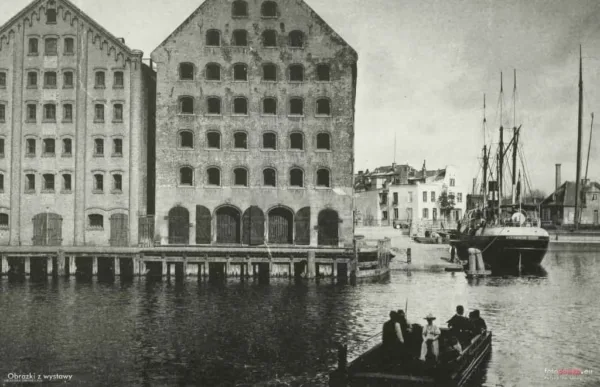
The names of the warehouses speak to their past. ‘Oliwski’ recalls the Cistercian monks of Oliwa, ‘Miedź’ refers to the goods once stored there, and ‘Panna’ to the statue that once stood atop the building. In days gone by, cargo was safeguarded here; today, it houses historical artefacts and knowledge about people connected to the water.
“Sołdek” — a ship you can board
Moored at the Ołowianka quay is the “Sołdek”, the first seagoing vessel built by the Polish shipbuilding industry after the Second World War. It was launched on 6 November 1948 and set out on its maiden voyage in October 1949. These two dates mark different stages in its history.
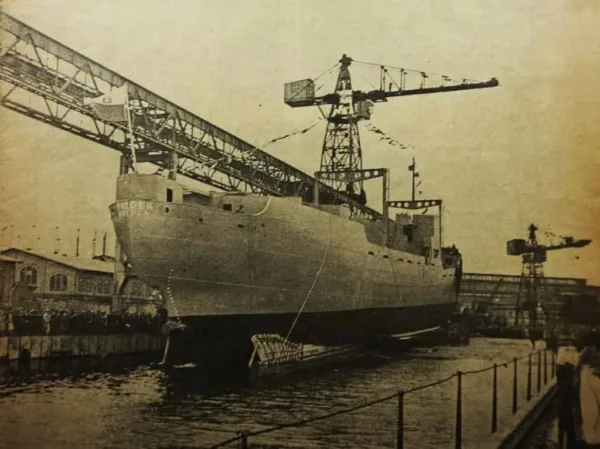
The steam-powered ore and coal carrier primarily transported coal and iron ore. It was named after Stanisław Sołdek, a foreman at the Gdańsk Shipyard. During more than three decades of service, it undertook 1,479 voyages. The preserved vessel offers an insight into the scale and organisation of work on a merchant ship.
Artefacts recovered from the water
The museum’s activities also include research and conservation. Artefacts recovered during archaeological work help us to learn about ships of the past, the cargoes they carried and the daily lives of their crews. Salvaging an object from the seabed is just the beginning of the work: it must be secured, documented and prepared for long-term storage.
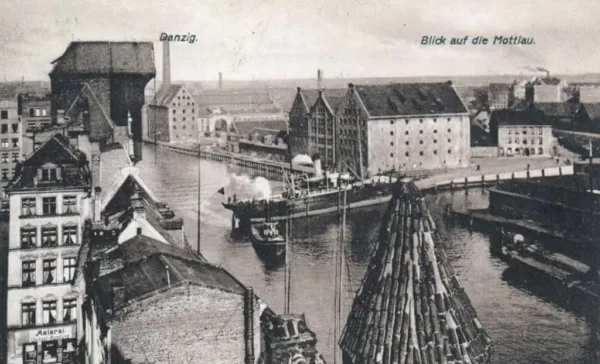
The granaries, the ‘Sołdek’, the crane and the Maritime Culture Centre each reveal different facets of the same history. Viewed from the Motława, they weave a narrative about the port, its technology and the people who set its daily rhythm.