

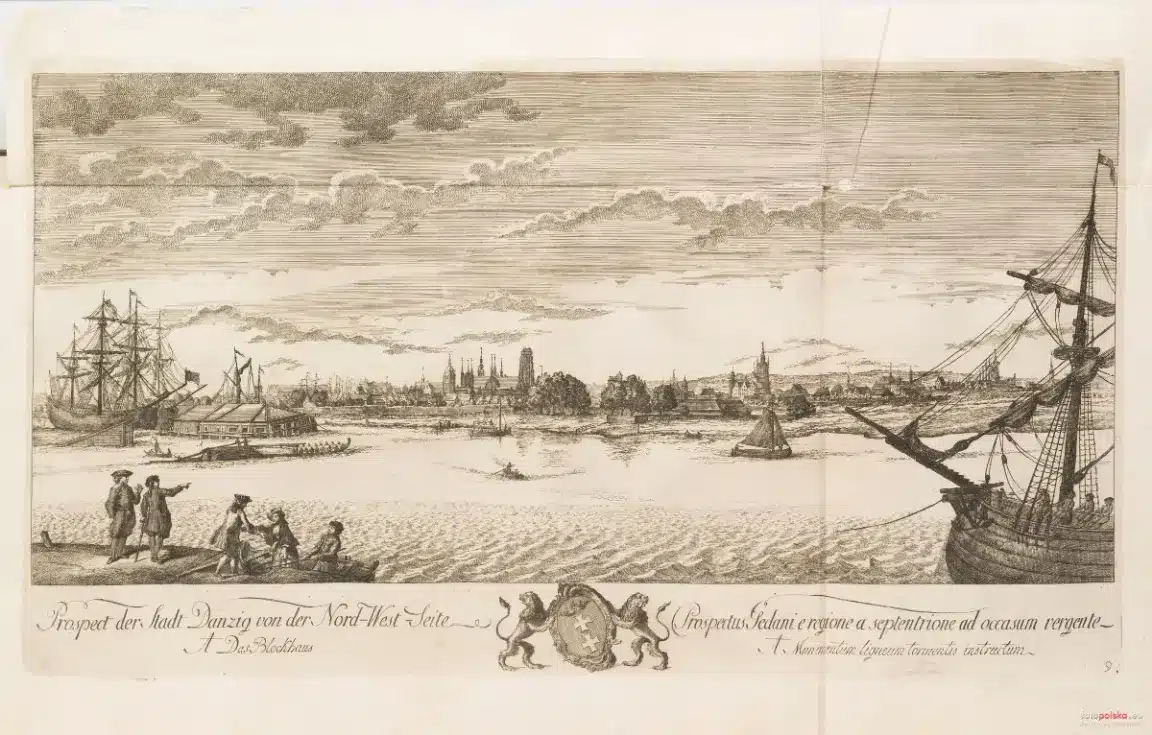

In Gdańsk, sooner or later you’ll find yourself by the Motława. This is where walkers gather, boats moor, and traces of the old port lie hidden behind the façades of the townhouses. For centuries, the river has set the rhythm of the residents’ work and daily lives. To understand the city’s history, it’s worth taking a closer look at the river itself.
Where does the name Gdańsk come from?
The oldest known reference to Gdańsk is linked to St Adalbert’s visit in 997, during his missionary journey to Prussia. In the *Life of St Adalbert*, written later, the term *urbs Gyddanyzc* appears. The Latin ‘urbs’ means a town or city, and the spelling of the name retains traces of its Slavic pronunciation.
However, the origin of the name Gdańsk has not been conclusively established. One explanation links it to a term for marshy land or a floodplain. Another hypothesis points to the river’s former name — reconstructed as ‘Gdania’ — which may have been adopted by the settlement on its banks. However, ‘Gdania’ should not be regarded as a definite, documented earlier name for the Motława.
Water is therefore present even in discussions about the city’s name. And in its history, its significance is already very clearly evident.
A city that flourished thanks to water
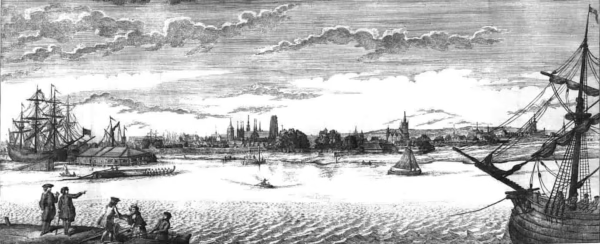
Its location near the Vistula’s estuary into the Baltic Sea opened Gdańsk up to trade and contacts with distant ports. The river connected the city to the hinterland, whilst the sea linked it to other countries. The inhabitants were able to capitalise on these conditions by developing the port, crafts and trade.
The terrain itself has also changed over the centuries. Marshy areas were drained and developed; granaries, workshops, tenement houses and harbour cranes were erected by the water’s edge. Quays were rebuilt, canals were dug and bridges were built. Today’s landscape of Gdańsk is the result of the long labour of successive generations.
The Motława River was at the heart of this world. It was around the river that the movement of ships, goods and people centred. The river brought prosperity, but it also served as a reminder of its power during floods. The city’s history encompasses both the use of water and attempts to protect against it.
The port attracted people from far and wide
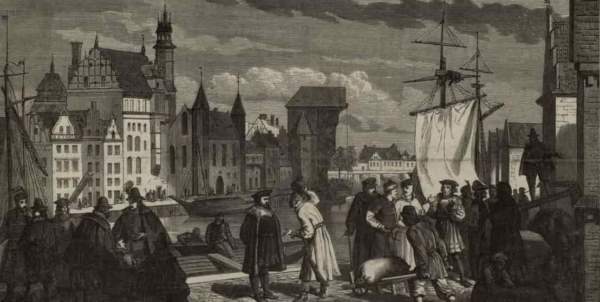
Gdańsk’s importance was evidenced not only by its wealth and architecture, but also by the diversity of its inhabitants. The local population was joined by newcomers from other lands: merchants, craftsmen and people seeking work in the burgeoning port.
They came, amongst other places, from German regions, the Netherlands and the Scandinavian countries. The city was also home to English people and members of many other communities. Even groups referred to by a single term had different origins, traditions and experiences. Together, they helped shape the character of Gdańsk.
Over a thousand years of change
Such an important port was repeatedly the subject of rivalry. Borders, rulers and the city’s national affiliation changed. Its history includes periods of association with Poland, the rule of the Teutonic Order, Prussian rule and two distinct periods during which Gdańsk existed as a Free City.
It was a history full of contrasts. A tragic event was the capture of the city by the Teutonic Knights in 1308. Another great catastrophe was brought about by the Second World War: the suffering of the inhabitants, massive destruction of buildings and post-war demographic changes.
Gdańsk also experienced periods of prosperity. In the 16th and part of the 17th centuries, it was one of the wealthiest cities in the Polish-Lithuanian Commonwealth, and maritime trade enabled the financing of magnificent buildings and cultural development. In the 20th century, the city once again played a role that extended beyond its borders — the strikes of 1980 and the birth of Solidarity became an important part of the path to democratic change.
The Motława River remains the heart of Gdańsk
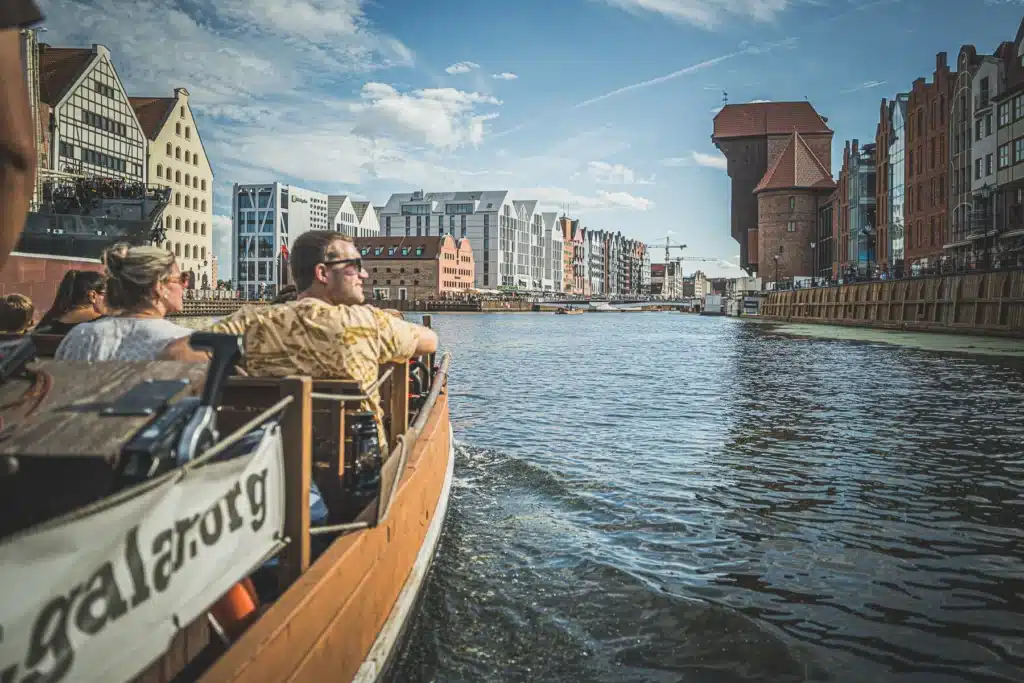
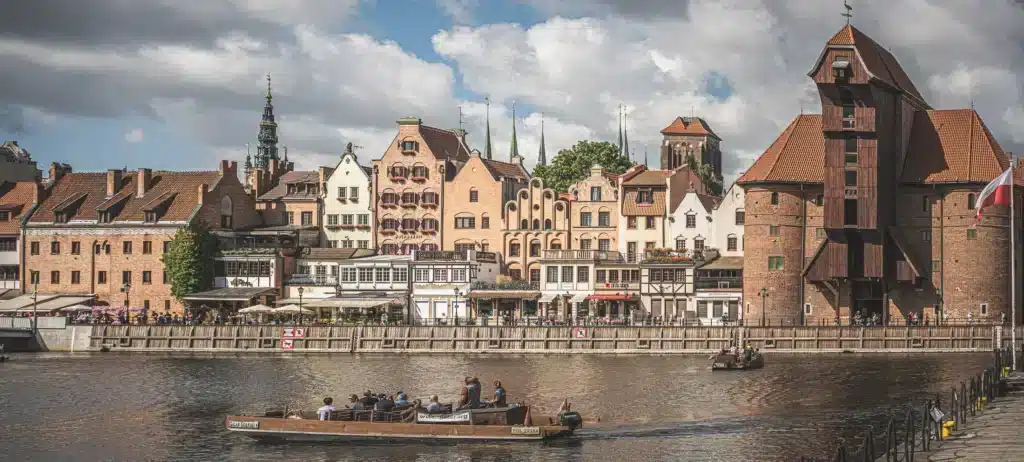
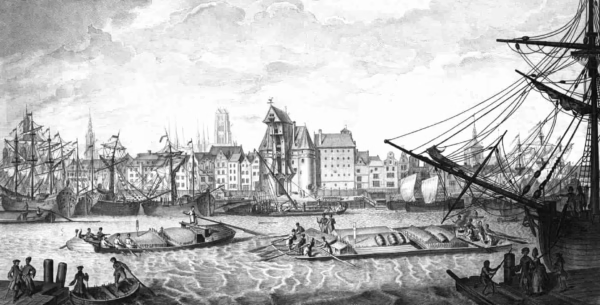
Today, along the Motława, we find tourists and locals who come here for a stroll, visit museums or set off on a boat trip. The former port functions of many buildings have changed, but the river still shapes the city’s layout.
Długie Pobrzeże, the Fish Market, Ołowianka and Granary Island offer glimpses of different chapters in this history. The water gates serve as a reminder of the connection between the streets and the harbour, whilst the granaries and the Crane recall a time when the quays were, above all, a place of work.
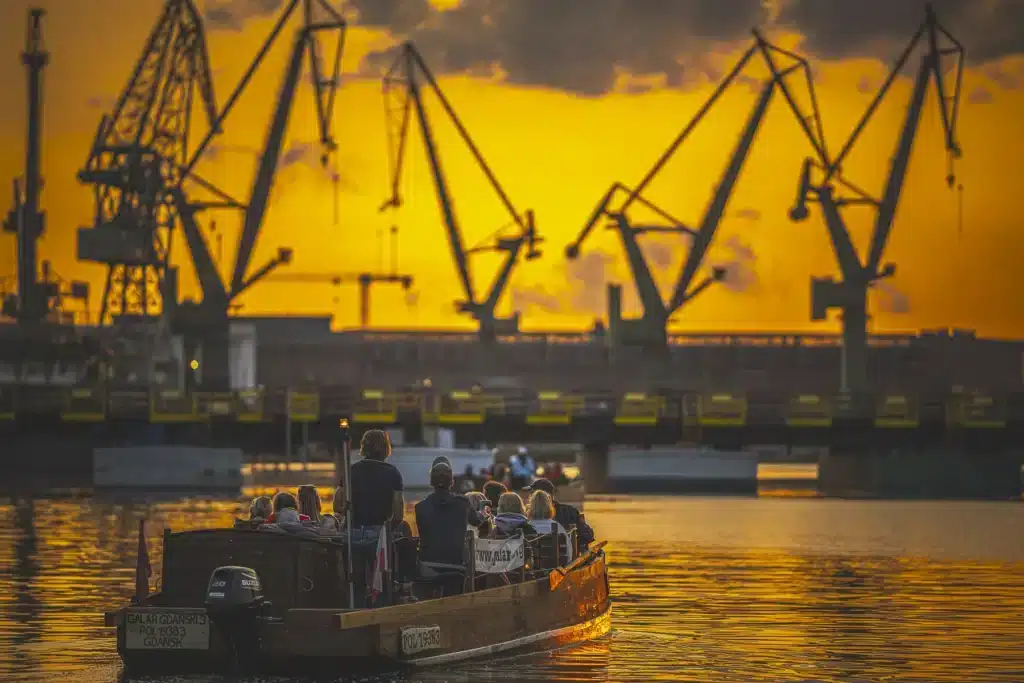
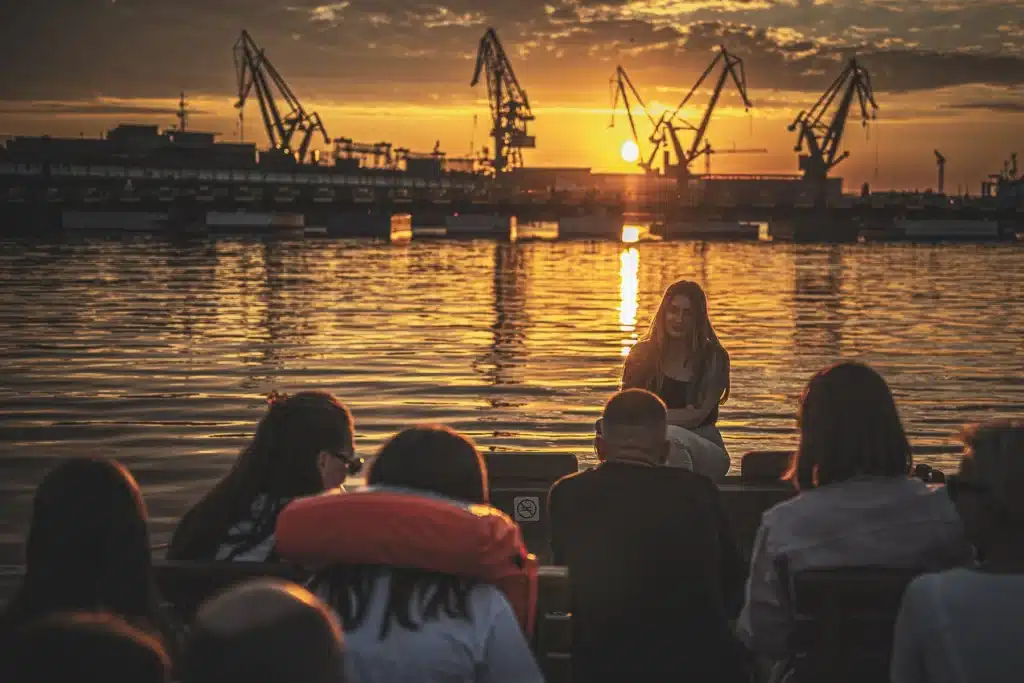
From the deck of a boat, it is easier to see just how close to the water Gdańsk was founded. During a galar cruise through Gdańsk, you can view the quays from a perspective that, for centuries, was part of everyday life for those arriving at the port. The city and the river continue to weave a shared narrative.